

Quick Summary
A healthy pregnancy diet should be balanced, nutritious, and safe — supporting the mother’s health and the baby’s development. The focus is on foods rich in protein, vitamins, minerals, and fibre, while avoiding foods that carry risk during pregnancy.
Why Nutrition Matters More Than Ever During Pregnancy
Pregnancy is one of the most nutritionally demanding periods of a woman’s life. Your body is simultaneously sustaining itself and building an entirely new human being — and the nutritional requirements to do both well are significantly higher than at any other time.
During pregnancy, a mother’s body requires substantially more nutrients to support:
- The baby’s growth, organ formation, and brain development
- The mother’s daily energy needs, which increase across trimesters
- Immune function and overall health for both mother and baby
Good pregnancy nutrition doesn’t mean eating more — it means eating smarter. Quality and variety matter far more than quantity.
5 Key Food Groups for a Healthy Pregnancy
1. Quality Protein
Protein is the primary building material for your baby’s cells, organs, and tissues — and your requirements increase significantly across pregnancy. Adequate protein intake supports healthy birth weight and proper organ development.

Good protein sources during pregnancy include:
- Fish — mackerel, salmon (cooked thoroughly, not raw)
- Lean chicken and beef
- Fully cooked eggs
- Legumes — lentils, chickpeas, tofu, and tempeh
2. Dark Leafy Greens and Vegetables
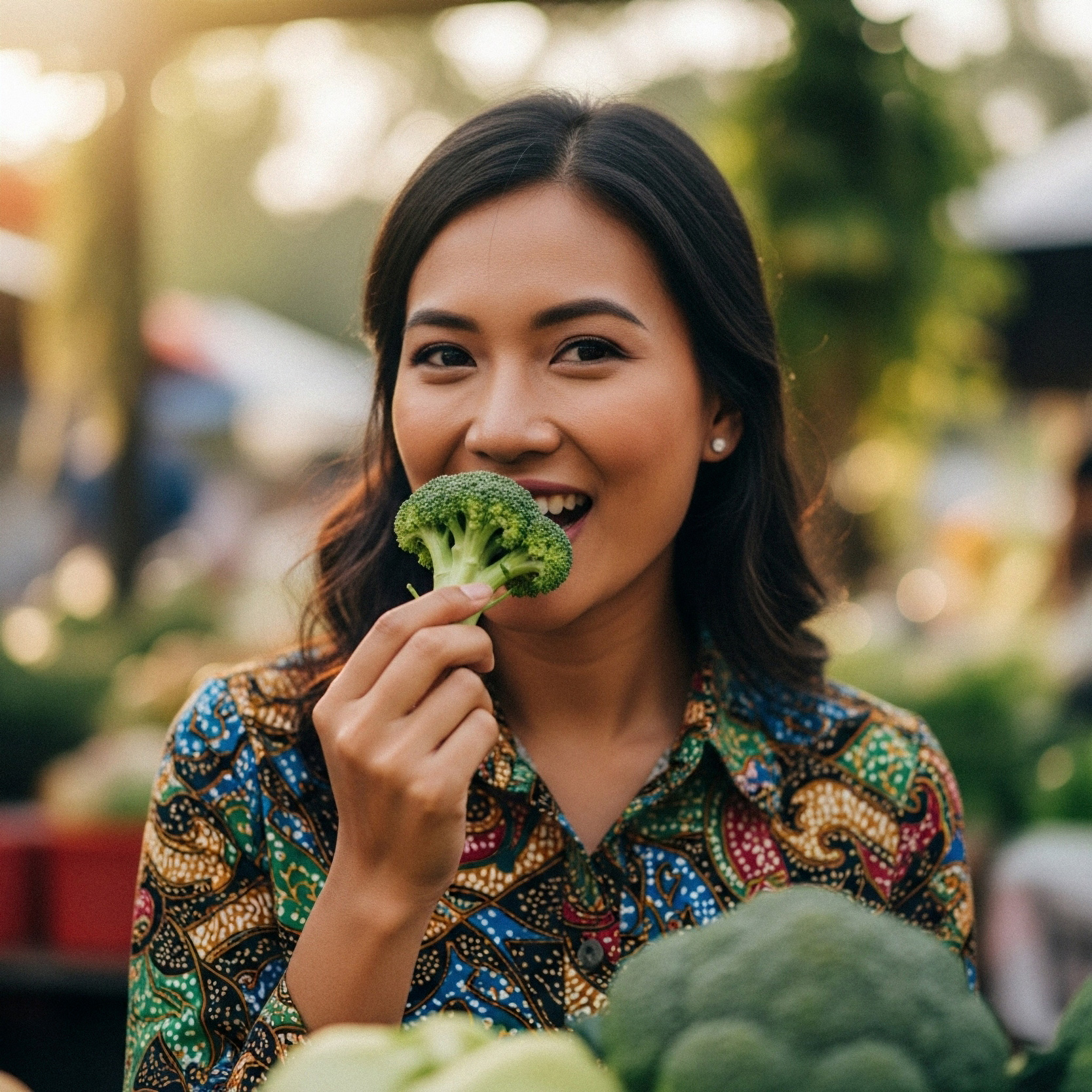
Leafy greens are nutritional powerhouses during pregnancy. They’re rich in folate (critical for neural tube development), iron, calcium, vitamin C, and fibre — several of the most important nutrients for a healthy pregnancy in a single food category.
Aim to include a variety of vegetables daily:
- Spinach — high in iron and folate
- Broccoli — rich in vitamin C, calcium, and folate
- Mustard greens (sawi) and kailan — excellent mineral sources
Beyond leafy greens, colourful vegetables — carrots, sweet potatoes, capsicum — add beta-carotene, potassium, and additional antioxidants that support both maternal and fetal health.
3. Fresh Fruit
Fruit provides vitamin C, natural sugars for energy, antioxidants, and dietary fibre. The fibre content is particularly helpful for managing the constipation that is common in pregnancy as digestion slows.

Recommended fruits for pregnancy:
- Oranges and citrus — high in vitamin C and folate
- Apples — fibre and polyphenols, wash well and eat the skin
- Bananas — potassium and magnesium, helpful for leg cramps
- Papaya — only ripe papaya in moderate amounts; unripe papaya should be avoided as it may stimulate contractions
4. Dairy Products
Dairy provides the two most important nutrients for bone development: calcium and vitamin D. Your baby’s skeleton is being built from your nutritional reserves — and if calcium intake is inadequate, your body will draw from your own bones to meet the baby’s needs, increasing your long-term osteoporosis risk.

- Milk — choose full-fat or fortified varieties for calcium and vitamin D
- Yogurt — also provides beneficial probiotics that support gut and immune health
- Cheese — choose pasteurised varieties only; avoid soft unpasteurised cheeses like brie, camembert, or blue cheese
5. Complex Carbohydrates
Complex carbohydrates provide sustained energy and help keep blood sugar levels stable — something increasingly important as pregnancy hormones affect insulin sensitivity. Unlike refined carbohydrates (white bread, white rice), complex carbohydrates release glucose gradually, preventing the energy spikes and crashes that can worsen fatigue and mood changes.
- Brown rice — higher in fibre and minerals than white rice
- Wholegrain bread — look for varieties with whole wheat as the first ingredient
- Oats — rich in soluble fibre and a useful source of iron
- Sweet potatoes and regular potatoes — provide potassium, vitamin C, and slow-release energy
Sample Daily Meal Plan for Pregnant Mothers
Breakfast
Oats cooked with milk, topped with sliced banana and a handful of nuts. One fully cooked egg on the side. Water or a glass of milk to drink.
Lunch
Brown rice with grilled chicken, a generous serving of stir-fried vegetables, and fresh fruit on the side.
Snacks (mid-morning and afternoon)
Yogurt with fruit, a small handful of mixed nuts, or sliced fruit with a glass of milk.
Dinner
Steamed fish or a clear soup with fish and vegetables, leafy greens, and a moderate portion of complex carbohydrate — brown rice, sweet potato, or oats.
Foods to Limit or Avoid During Pregnancy
Certain foods carry real risks during pregnancy due to bacteria, parasites, or toxic compounds that can harm a developing baby. During pregnancy, limit or avoid:
- Raw or undercooked foods — sushi, raw eggs, rare meat, and partially cooked seafood carry risks of listeria, salmonella, and toxoplasma
- High-mercury fish — shark, swordfish, king mackerel, and tilefish accumulate mercury that can damage fetal neurological development; opt for low-mercury fish like salmon and sardines instead
- Excess caffeine — limit to under 200mg per day (roughly one cup of coffee); high caffeine intake is associated with increased miscarriage risk and low birth weight
- Very salty or very sugary foods — excess salt can worsen pregnancy-related swelling and blood pressure; excess sugar increases gestational diabetes risk
- Unpasteurised products — raw milk, soft unpasteurised cheeses, and unpasteurised juices can harbour listeria and other pathogens dangerous to the fetus
The Role of Supplements Alongside Diet
Even a well-planned pregnancy diet may leave nutritional gaps that are difficult to close through food alone. Some pregnant women may benefit from targeted prenatal supplements including:
- Folic acid — critical for neural tube development, ideally started before conception
- Iron — blood volume increases significantly during pregnancy, raising iron requirements
- Calcium and vitamin D — for bone development in both mother and baby
- DHA (Omega-3) — essential for fetal brain and eye development, especially in the third trimester
Supplements complement a good diet — they don’t replace it. Always consult your doctor or midwife before starting any supplement during pregnancy.
Practical Nutrition Tips for Pregnant Mothers
- Eat smaller meals more frequently — 3 main meals and 2–3 small snacks help manage nausea, maintain energy, and keep blood sugar stable
- Drink enough water — aim for 8–10 glasses daily; dehydration worsens fatigue, headaches, and constipation during pregnancy
- Vary your food choices — different foods provide different nutrients; variety is the most reliable way to cover all nutritional bases
- Listen to your body — food aversions and cravings are common; work around aversions by finding alternative sources of the same nutrients
- Stay active — gentle exercise like walking, swimming, or prenatal yoga supports digestion, circulation, and mood throughout pregnancy
Frequently Asked Questions
What are the most important foods during pregnancy?
A balanced diet covering all five food groups — protein, vegetables, fruit, dairy, and complex carbohydrates — is the most important foundation. No single food is a magic solution; variety and consistency matter most.
How often should a pregnant woman eat?
Generally, three main meals and two to three small snacks throughout the day. This pattern helps manage nausea, maintains energy levels, and reduces the risk of blood sugar dips — all common challenges during pregnancy.
Is it safe to diet during pregnancy?
Restrictive dieting is not recommended during pregnancy. The focus should be on choosing nutritious foods — not reducing overall intake. Speak with your doctor or a registered dietitian if you have concerns about weight management during pregnancy.
Do I really need to “eat for two”?
No — this is one of the most persistent pregnancy myths. What matters is the nutritional quality of what you eat, not the quantity. Caloric needs do increase modestly during pregnancy (especially in the second and third trimesters), but this can typically be met by adding one or two nutritious snacks per day rather than dramatically increasing portion sizes.
The Bottom Line
A well-planned pregnancy diet doesn’t have to be complicated — but it does need to be intentional. Focus on variety across all food groups, prioritise nutrient-dense whole foods over processed options, stay well-hydrated, and be mindful of the foods and substances that carry genuine risk during pregnancy.
Paired with appropriate prenatal supplements and regular check-ups with your healthcare provider, good nutrition is one of the most powerful things you can do for your baby’s health and your own wellbeing throughout the journey.
Leave a Reply